
For many Catholics, sacred art is not just decoration. A Black Jesus painting on the wall can hold a special place in the home, quietly witnessing to both faith and the dignity of every person. When we pass by an image of Christ in the hallway or living room, we often pause for a second, maybe whisper a short prayer, or simply remember that we are not alone in whatever the day is bringing.

This page contains affiliate links. If you click and buy, I may earn a commission at no extra cost to you.
Over time, I have noticed that the images we choose shape how we move through the house. In my own home, a Black Jesus painting near the front door has become almost like a goodbye and welcome sign. When I leave, I catch a glimpse and quietly say, “Be with me today, Lord.” When I return, tired or distracted, that same image invites me to take a breath and remember that Christ understands every burden I carry, including those that connect to culture, history, and identity.
For some families, a Black Jesus painting also speaks to a deep desire to see themselves in the story of the Gospel. It does not change who Jesus is; instead, it reminds us that He truly came for all people and that His love reaches every community. Seeing Christ with Black features can feel like a gentle affirmation that nothing about our background or appearance is outside of God’s loving gaze.
What a Black Jesus painting can mean in a Catholic home
In Catholic tradition, sacred images are meant to draw our hearts toward God. A painting of Jesus with darker skin, textured hair, and features that reflect Black identity can do this while also honoring the particular beauty of Black lives and families. It can quietly challenge the idea that holiness looks only one way, and instead affirm that Christ is near to people of every color and culture.
When a Black Jesus painting hangs in a living room, dining room, or prayer corner, it can gently open conversations with children, friends, and relatives. Someone might ask, “Why did you choose this image?” and that can lead to a simple but meaningful sharing about how the Lord meets us where we are. You do not need to give a lecture; sometimes it is enough to say, “This helps me remember that Jesus understands our story too.”
Personally, I remember one evening when I had been wrestling with news stories full of pain and division. I walked past our Black Jesus painting, and instead of feeling overwhelmed, I found myself standing still in front of it. The calm expression on His face, the way the artist had painted His eyes with both strength and gentleness, helped me whisper, “Lord, be with our people.” It did not fix anything in that moment, but it grounded me in prayer instead of frustration.
Practical ways to pray with a Black Jesus painting
Sacred art does not have to be complicated to be meaningful. Here are some simple, everyday ways a Black Jesus painting can support your prayer life:
1. A quiet spot for evening prayer
Many Catholic families have some form of a small prayer space at home, even if it is just a shelf or a corner table. Placing a Black Jesus painting above or near that space can anchor your evening prayers. You might light a candle, sit for a few minutes, and share with the Lord how the day went—the joys, frustrations, and small moments nobody else will ever see.
When the image reflects the faces of you or your loved ones, it can be easier to speak honestly. Seeing Jesus portrayed as Black may help you or your children feel more at home in prayer, especially if you have not always seen yourselves reflected in church art or books. That sense of recognition is quiet but powerful.
2. A gentle reminder in busy spaces
Another way to use a Black Jesus painting is to place it somewhere you pass by often: near the kitchen, in the hallway, or close to the front door. Short prayers—known traditionally as aspirations—fit well with this kind of placement. Each time you walk by, you might simply say, “Jesus, I trust in You,” or “Stay with me, Lord.” Over time, this rhythm can become part of the way you “pray without ceasing” in the middle of ordinary life.
On days when I feel scattered, that quick glance toward the painting has sometimes been enough to slow down my thoughts. I do not always manage long, focused prayer times, but I can look up, meet the gaze in the painting, and remember that Christ is present in the dishes, the deadlines, and the family conversations.
3. A sign of welcome and hospitality
In many Catholic homes, images of Jesus or Mary near the entrance serve as a sort of blessing over everyone who comes and goes. A Black Jesus painting at the doorway can communicate, without many words, that this is a home where both faith and the beauty of Black identity are honored together.
Guests might notice the painting and feel seen, especially if they share a similar background or have rarely seen sacred art that reflects them. Others, who come from different cultures, can experience a quiet invitation to recognize the wide embrace of the Church and the many ways Christ has been pictured through history. If you wish, you can even connect it to the idea of the Incarnation, where God chose to enter our human story fully, including our physical reality.
Different styles of Black Jesus painting
Black Jesus paintings come in many styles, from very realistic to more symbolic or abstract. Some show Christ in familiar Gospel scenes, like the Good Shepherd or the Last Supper. Others focus on His Sacred Heart, His face crowned with thorns, or His tender gaze in moments of healing and mercy. Choosing among these styles is usually less about decoration and more about which image seems to speak to your heart.
Realistic portraits
A realistic portrait of Black Jesus often emphasizes His human features in a way that feels close and personal. These paintings might show detailed expressions, textured hair, and a strong sense of presence. Many people place such portraits where they can sit in front of them, almost like sitting face to face with a close friend who listens in silence.

Symbolic and devotional scenes
Some Black Jesus paintings focus on a particular devotion or moment, like Jesus holding a child, calming a storm, or embracing someone who is suffering. These images can be helpful when you are praying for a specific intention—your children, your neighborhood, those facing injustice, or your own healing. You might find that a certain scene speaks to you more deeply during a particular season of life.


Modern and abstract expressions
Others prefer more modern or abstract representations, where colors, shapes, and lines carry much of the meaning. A Black Jesus painting in this style may not show every detail of His face, but the use of bold tones, halos, and gestures can still convey compassion, strength, and peace. This kind of art can fit especially well in small apartments or contemporary spaces where you want something devotional but not overly formal.

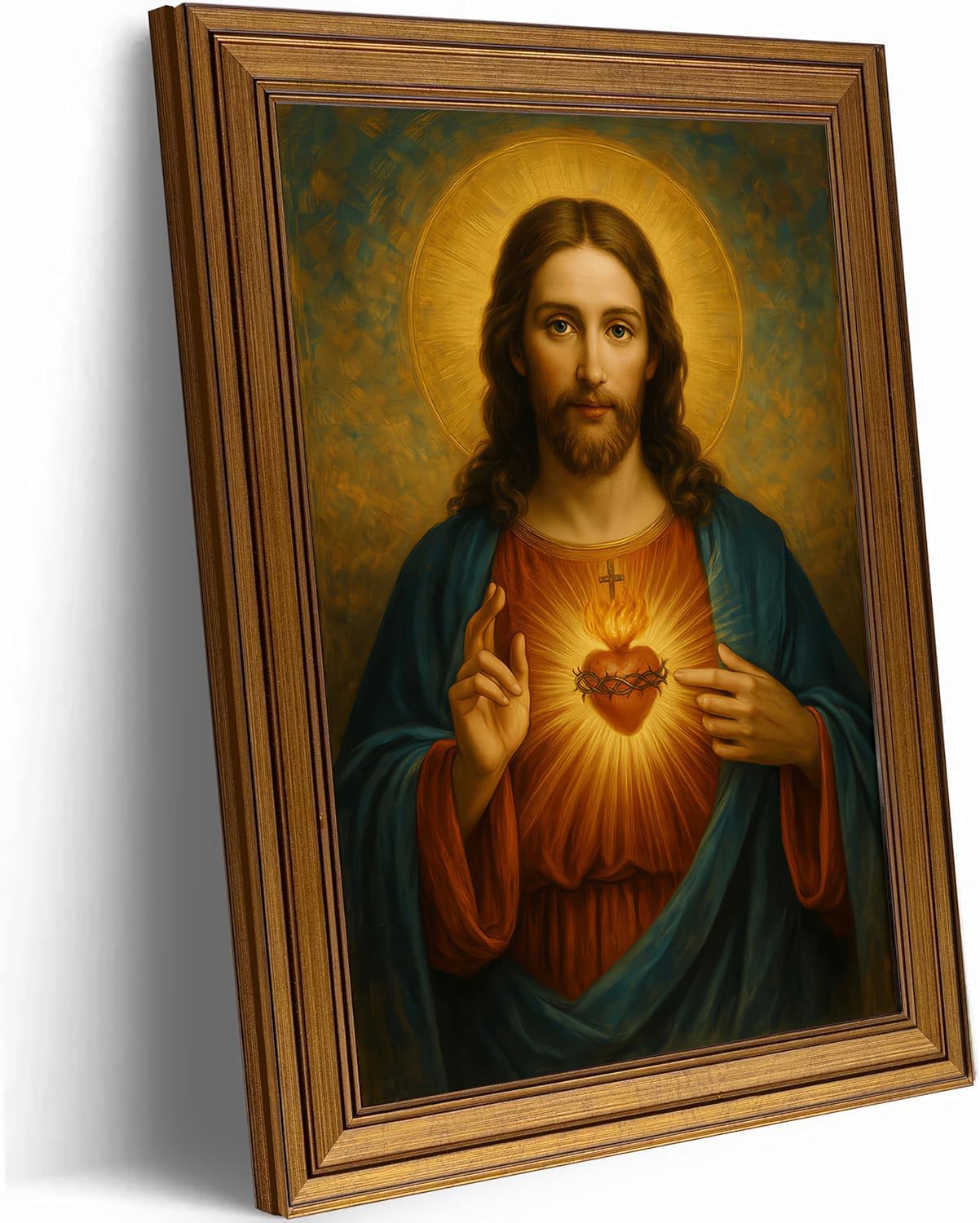
Placing a Black Jesus painting with reverence
Catholics have a long tradition of treating sacred images with respect. That does not mean we fear them or think they are magical, but we try to place them thoughtfully. When you choose a spot for your Black Jesus painting, you might ask yourself a few simple questions: Can this space stay relatively clean and uncluttered? Is it a place where I can pause, even briefly, to pray? Is the image likely to be treated with care by everyone in the household?
Many people like to place the painting at eye level or just slightly above, so that it naturally meets your gaze. If you share the home with children, you might consider a height where they, too, can look directly at the face of Jesus. Sometimes a small table, candle, or crucifix nearby helps mark the area as a place of prayer rather than ordinary decoration.
I found that when I moved our Black Jesus painting from a cluttered wall to a simple space above a small shelf, my own attitude changed. I started to stand there for a few seconds each morning with a cup of coffee, saying, “Lord, guide my steps today.” Nothing dramatic, just a quiet ritual that made the start of the day feel a little more grounded.
Caring for the artwork over time
Because sacred art is part of our prayer life, keeping it in good condition matters. It does not have to be perfect or expensive, but it should be treated with gentle care. Avoid placing your Black Jesus painting where it will be hit directly by strong sunlight all day, as this can fade the colors. Try to keep it away from heavy moisture or smoke.
Every so often, you can dust the frame lightly with a soft cloth. Some people like to quietly pray while they do this simple task, almost like a small act of love toward the Lord. It can become part of the way you keep both your home and your heart attentive to God’s presence.
Personal experiences with a Black Jesus painting
Over the years, I have heard different stories from friends and family who chose to hang a Black Jesus painting in their homes. One friend told me that, as a child, every picture of Jesus she saw looked nothing like her or her relatives. When she grew older and finally saw an image of Christ with features closer to her own, she felt an unexpected sense of peace. Placing a similar painting above her dining table became, in her words, “a small healing.”
In my own case, the decision to place a Black Jesus painting in our living room came after a long season of thinking about how faith and race intersect in everyday life. I did not want a slogan or a loud statement on the wall. I wanted a quiet, steady reminder that the Lord stands with us in every struggle and every joy, including the parts that are tied to our history and our skin. Over time, that painting has become a point of stillness for me—a place where I can look, breathe, and remember that Christ sees the whole story.
None of this means that one style of image is better or holier than another. Catholics have often prayed with many different faces of Jesus across cultures and centuries. But if a Black Jesus painting helps you or your family feel more at home in your own skin while turning your heart toward God, it can be a quiet and meaningful gift.
Questions Catholics often ask about a Black Jesus painting
Yes. The Church has long allowed and encouraged sacred art that reflects many cultures and ethnic features. No painting can show the fullness of who Jesus is, but each one can highlight a different aspect of His closeness to us. A Black Jesus painting simply shows that He is truly present for Black families and communities, just as other images show Him with features from other regions of the world.
There is no single “right” place. Many Catholics choose a spot where they naturally pause during the day: above a small prayer table, near the entrance, or in a quiet corner of the bedroom or living room. What matters most is that the painting is treated with respect and that it helps you remember the Lord in everyday life.
Prayer in front of any sacred image can be very simple. You might sit or stand quietly, look at the face of Jesus, and speak to Him from your heart. You can share your worries, your gratitude, and your hopes for your family, your community, and the wider world. Some people also like to pray a Psalm, the Our Father, or another favorite prayer while gazing at the painting.
With children, simple words are often enough. You might say, “This is a picture of Jesus that looks more like our family,” or, “People around the world paint Jesus in different ways, and this one reminds us that He loves Black people too.” Allow their questions to guide the conversation, and do not feel pressured to give complicated explanations. Your calm presence and honesty will speak loudly on their own.
Not at all. Different styles of sacred art touch different hearts. Some may connect more deeply with a Black Jesus painting, while others might be drawn to more traditional European or Middle Eastern portrayals. The important thing is that each person chooses images that help them love and follow Christ more faithfully, without judging others for what speaks to them.
Letting a Black Jesus painting quietly shape daily life
Over time, a Black Jesus painting can become almost like a silent member of the household. It will be there in the background during family meals, birthday celebrations, and late-night conversations. It will also be there in the hard moments—arguments, disappointments, and times of grief. In all of this, the painting simply points beyond itself, reminding us that Christ is present, listening, and walking with us.
You may find that your relationship with the image changes as the years go by. At first, you might notice mostly the colors and details. Later, you might begin to notice how often your eyes are drawn toward the face of Jesus when you are tired, anxious, or joyful. This slow, steady companionship is one of the quiet gifts of sacred art.

However you choose to use a Black Jesus painting, the most important thing is the intention of your heart. If the image helps you pray more honestly, love your neighbor more sincerely, and remember God’s presence in ordinary days, then it is already doing something good. Sacred art is not about perfection or performance; it is about keeping a small window open toward heaven in the middle of our lives.