

The quiet role of a Jesus Christ painting at home
In many Catholic homes, a Jesus Christ painting hangs in a simple place: near the front door, above a small table, by the staircase, or over the couch. It does not need a spotlight or a grand frame. Its real purpose is quiet and steady. It reminds us who we belong to, and gently redirects the heart when life feels scattered.
I still remember the first time I brought a Jesus Christ painting into my own living room. I did not expect anything extraordinary. I simply wanted a clear, calm image of the Lord where I would see Him as I passed from room to room. Over time I noticed that I would pause there for a brief moment before heading out to work, or glance at it late at night when the house was finally silent. It slowly became a natural place for a short prayer, even just a few simple words like, “Stay with us, Lord.”
A painting like this does not replace the sacraments or parish life. It simply carries a small echo of church into the ordinary setting of a kitchen, hallway, or bedroom. For many of us who spend long days outside the home, it is a way to bring a little of that sacred atmosphere back into the spaces where we cook, rest, and share life with those we love.
Choosing a Jesus Christ painting with reverence
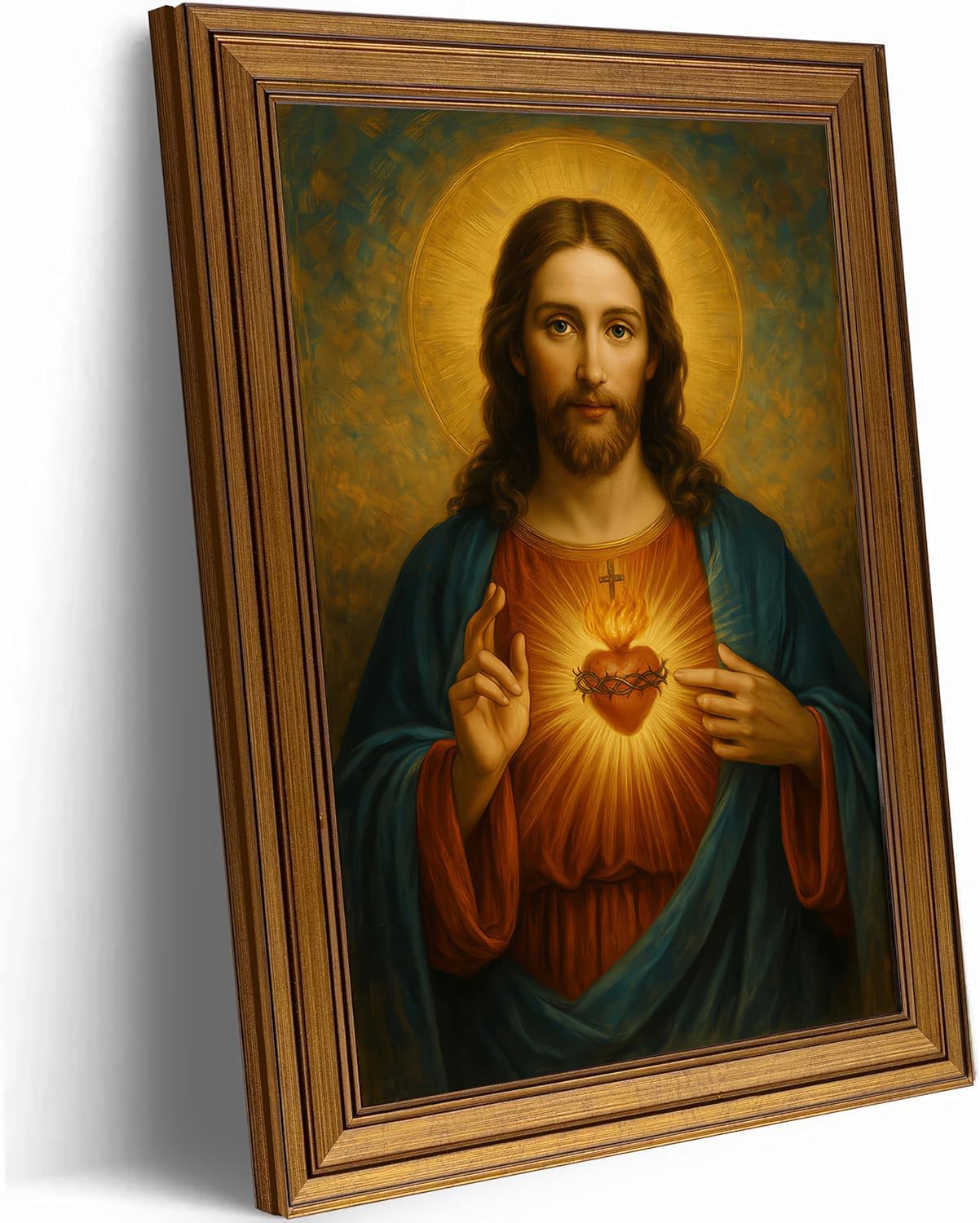
When you look for a Jesus Christ painting, it helps to think less about “style” and more about how you will actually pray with it. Different images will speak to different people. Some feel drawn to a classic Sacred Heart image. Others find peace in a gentle face of Christ, or a painting that shows Jesus reaching out His hand. None of this is about taste in the way we talk about furniture or art trends. It is about finding an image that lets you rest your gaze without distraction.
A few simple questions may guide you:
- When I look at this image, do I feel invited to be quiet for a moment?
- Could this painting fit naturally into my daily routine?
- Would this image help my family remember to pray together, even briefly?
- Does the expression of Christ feel respectful, gentle, and rooted in the tradition I trust?
Over the years I have found that my favorite Jesus Christ paintings share a few traits: simplicity, clarity, and a certain stillness in the eyes. When the image is not overly busy, my own heart can slow down more easily in front of it.

Where to place a Jesus Christ painting in everyday life
In many American Catholic homes, the most natural place for a Jesus Christ painting is somewhere the family passes often. It might be in the entryway, where you can say a short prayer coming in and going out. It might be above a small table that holds a Bible, a rosary, and a candle. Some people like to keep it in the bedroom, near where they pray before sleep.
In my home, I first hung a Jesus Christ painting near the dining table. At first it felt almost too visible, but in time it became part of our routine. Before meals, it was easier to remember a moment of thanksgiving. On difficult days, I would catch myself looking toward the painting before saying anything, as if to gather my thoughts in front of the Lord before speaking to my family.
A few quiet ideas for placement:
- Near the front door: a small reminder as you leave for work or school and as you come home tired.
- In a prayer corner: together with a crucifix, rosary, and maybe a small statue of Our Lady or a favorite saint.
- By a reading chair: where you sit with Scripture, spiritual reading, or just a cup of coffee in the early morning.
- In a child’s room: if the image is gentle and reassuring, it can help a child feel watched over as they fall asleep.
None of these places needs to be elaborate. A simple nail, a clean wall, and a sincere heart are more than enough. The painting is there to accompany you, not to draw attention to itself.

Praying with a Jesus Christ painting
A Jesus Christ painting is not meant to be looked at quickly and then forgotten. It can support a habit of short, steady prayer through the day. Many Catholics are not able to spend long stretches in quiet prayer, but they can offer a few short moments here and there. An image on the wall can hold those moments, giving your eyes a place to rest while your heart speaks simply to God.
You might stand or sit in front of the painting and:
- Thank the Lord for one concrete blessing from the day.
- Offer Him a particular worry, naming it honestly and without fancy words.
- Pray briefly for someone who comes to mind as you look at His face.
- Repeat a short prayer, such as “Jesus, I trust in You,” “Stay with me, Lord,” or simply “Thank You.”
One of my quiet routines is to pause by the Jesus Christ painting in the early morning, while the house is still half asleep. Sometimes I have words, sometimes I do not. Simply standing there in silence, knowing that Christ sees me even when I feel tired or distracted, has become a small anchor in the day.
Over time, the painting may become connected with certain memories of prayer, joy, or even sorrow. These layers of memory do not make the image magical; they just make it familiar, like a face you have turned to again and again.

Jesus Christ painting and Catholic tradition
The use of sacred images has deep roots in Christian tradition. From the early centuries, believers have used art to remember the Lord and the saints, to teach the faith, and to create spaces for prayer. The well-known tradition of the holy icon in the East is one expression of this, and Western art has its own long history of paintings and crucifixes that have watched over homes and churches for generations.
When we hang a Jesus Christ painting in a hallway or living room, we are quietly stepping into this long story. We are not doing something new or trendy. We are simply allowing a visible sign of faith to dwell in our home, as our grandparents and great‑grandparents often did, even if their images looked a bit different from ours.
This sense of continuity can be comforting. Life changes quickly: jobs, neighborhoods, even parishes can shift over time. But a simple image of the Lord, steady on the wall, reminds us that we are part of something older and more stable than our current schedule or set of worries.

Family life around a Jesus Christ painting
A Jesus Christ painting can quietly shape the atmosphere of family life. It will not solve every conflict or erase every tension, but it can serve as a reference point when words run out. Sometimes when conversations at home feel strained, just having that image in the same room is enough to remind everyone to soften their tone or take a breath.
In my family, there was a small Jesus Christ painting near the kitchen when I was growing up. We did not talk about it much, and my parents were not the type to give long speeches about faith. But I remember that when things were hard, my mother would sometimes glance toward the painting before answering a difficult question, as if to gather strength. That simple, almost unnoticed gesture has stayed with me more than many homilies I have heard.
For families with children, an image like this can also be a natural place to teach them to say short prayers. Instead of formal lessons, you can simply pause there together once in a while and offer a small intention: for a grandparent, a friend who is sick, someone having a hard time at school. The painting becomes part of shared family memories of turning to the Lord together.
Caring for a Jesus Christ painting with respect
Treating a Jesus Christ painting with care is part of honoring what it represents. This does not mean you must be fearful around it. Rather, it means placing it respectfully, keeping it clean, and avoiding stacking other things in front of it. If it is hung in a busy room, you might gently dust the frame from time to time, just as you would with a family photograph.
If you ever need to move the painting, you can take a simple moment of prayer before and after, thanking the Lord for the times of prayer that image has already accompanied and asking Him to bless the new place where it will hang. Simple gestures like this shape the way we relate to the objects around us and remind us that they are part of a life of faith, not separate from it.
Living with one Jesus Christ painting over time
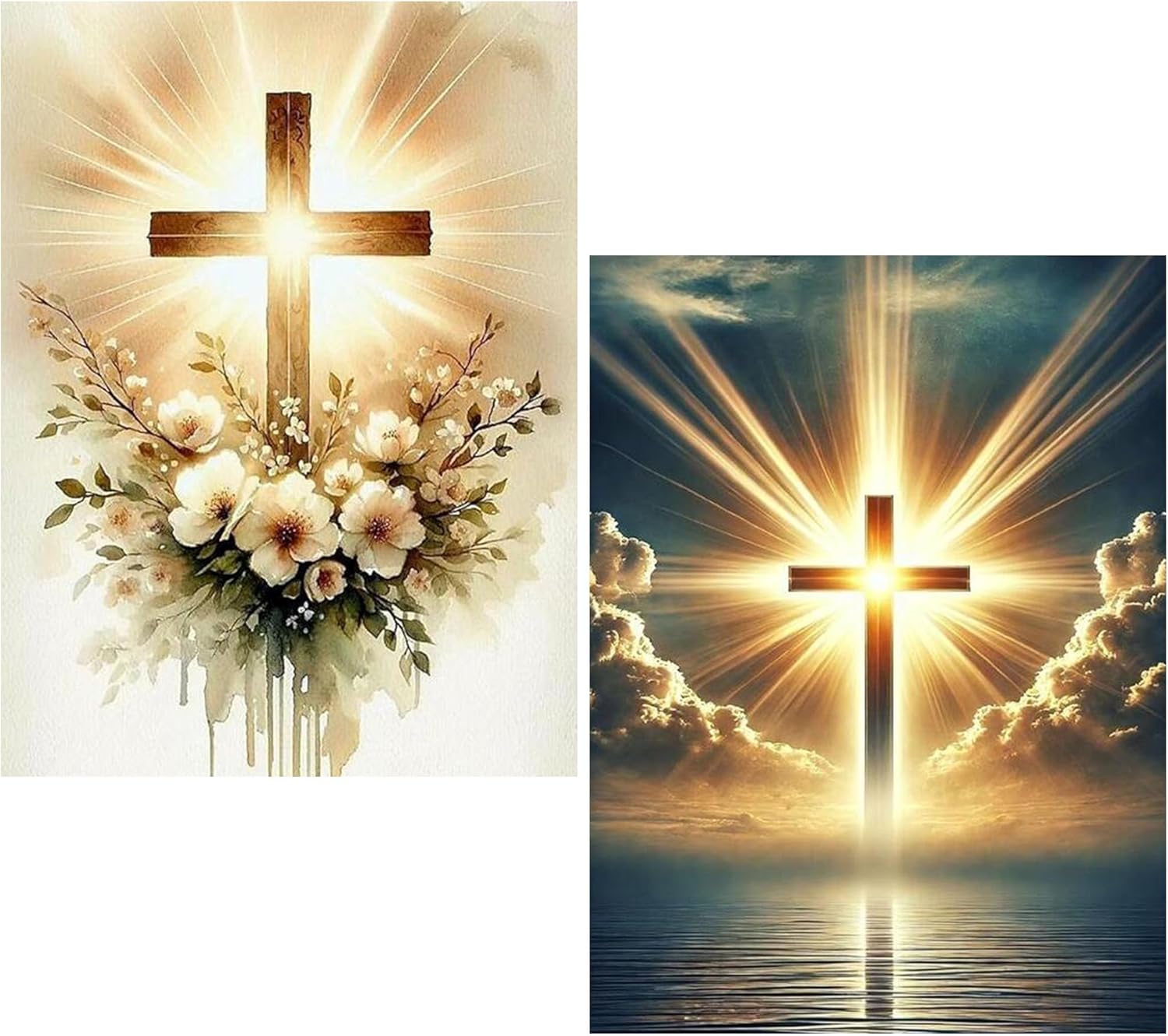
Over months and years, a Jesus Christ painting becomes part of the background of your days. You may stop noticing it often, but then, at unexpected moments, it speaks again: during a time of grief, a new beginning, a quiet evening after a long stretch of busyness. In those moments, simply having the image there can steady you, not by dramatic feelings, but by a very ordinary sense of being seen and accompanied.
In my own experience, the most meaningful moments with a Jesus Christ painting have been the quietest ones: coming home late after a funeral and pausing in front of the image without words; standing there on a child’s first day of school; or just sitting nearby after a long week, with a tired heart and an open Bible. The painting has seen tears and laughter, doubt and gratitude. It has simply been there, the face of Christ quietly present in the middle of everything.
If you choose to welcome such an image into your own home, it does not need a special plan or program. Let it be part of your ordinary life: the rushed mornings, the simple dinners, the quiet weekends. In that ordinary rhythm, a Jesus Christ painting can gently remind you that the Lord is already present in all of it.
