
A Jesus painting in the home is often more than decoration. It becomes a quiet reminder that the Lord is near in ordinary moments – in the hallway you walk through every day, in the living room where the family gathers, or near the place where you pause to pray before sleep.
Argomenti in evidenza
Pick the topic you care about and jump straight to the guide that helps you most.
Jesus painting
Over the years, I have found that having a Jesus painting on the wall changes the way a room feels. It does not have to be dramatic or large. Even a simple image can gently invite the heart to turn toward Christ during the day. Many American Catholics place such a painting where they naturally pass by: near the front door, above a small table with a candle, or close to the dining area where the family prays before meals.
When I first hung a Jesus painting in our living room, I noticed how often my eyes were drawn to it in small, unplanned moments – when I was carrying laundry, answering the phone, or just passing through to turn off the lights. Those brief glances became little pauses, chances to whisper a quick prayer like “Lord, stay with us” without making it complicated or formal.

This page contains affiliate links. If you click and buy, I may earn a commission at no extra cost to you
A Jesus painting in art has a long history in Christian tradition, but in a modern home it can be very simple: a print on canvas, a framed poster, or a modest panel above a doorway. What matters most is not the price or elegance, but the way it quietly directs the heart toward Christ in the middle of normal life.
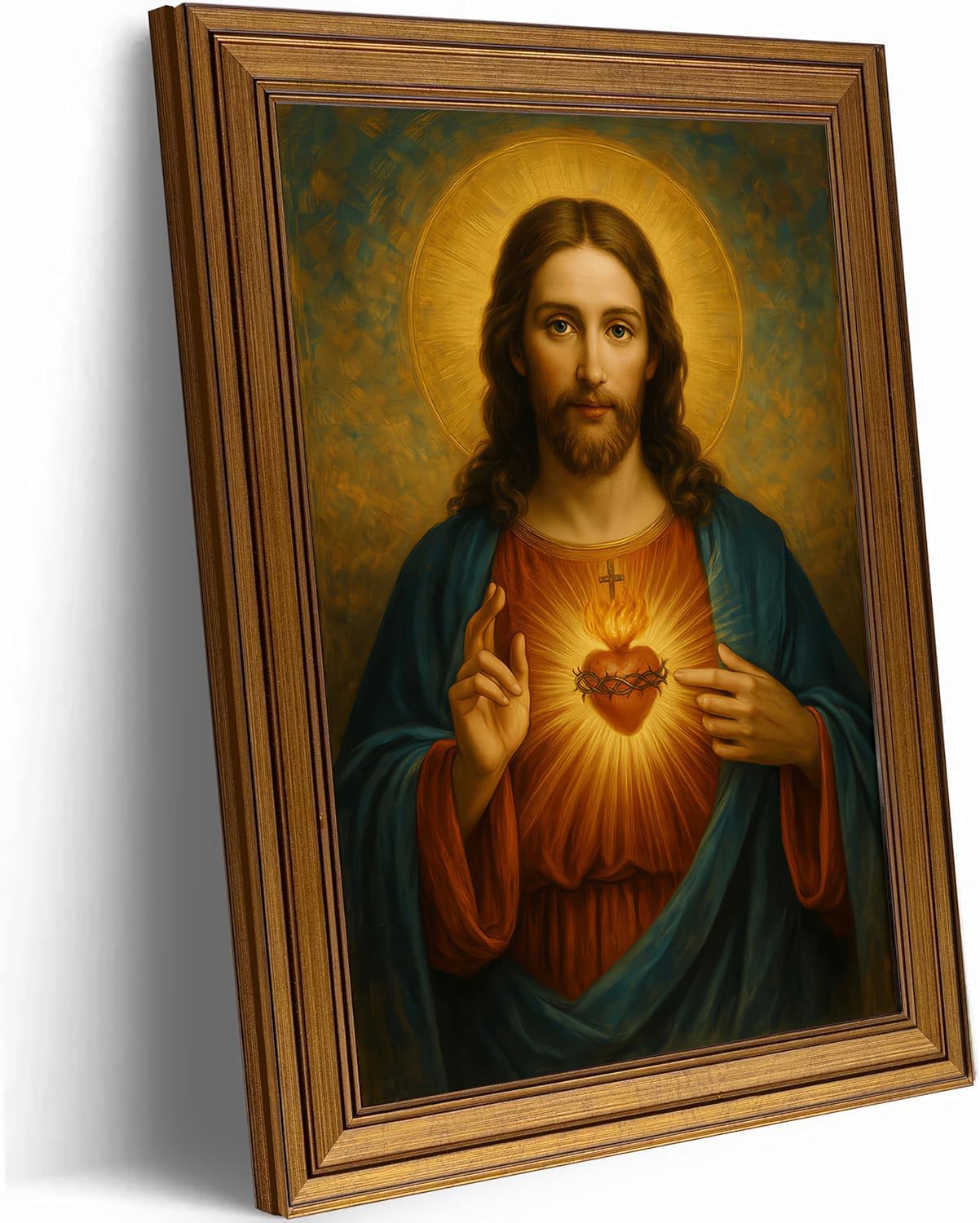
Some families choose an image of the Sacred Heart of Jesus, others prefer a gentle portrait of His face, or a scene like the Good Shepherd. In my own home, we started with a calm image of Jesus with open hands, placed near the entrance. Walking past it when leaving for work or coming back at night has become a routine moment to ask quietly for guidance and protection.
Why a Jesus painting belongs in everyday life
In many American homes, the pace of life is fast: work, school, errands, email, and constant notifications. A Jesus painting does not fix any of that, but it can introduce a different rhythm inside the home. It reminds us that faith is not only for Sundays or big moments. It belongs to ordinary Tuesdays, to tired evenings, and to quiet early mornings before the rest of the house wakes up.
I remember one season when things were very busy and stressful for our family. We had worries about health and finances all at once. One night I sat alone on the couch, not sure what to pray. The house was dark, but a small lamp shone on the Jesus painting across the room. Just looking at His face in that painting helped me sit in silence without trying to force words. I did not feel dramatic emotions, just a steady calm and the sense that I was not alone.
That is often how a Jesus painting works in a Catholic home. It does not have to stir strong feelings. It simply reminds us to turn our attention toward the Lord, sometimes for only a second. Those seconds, repeated day after day, shape the atmosphere of the home in a gentle way.
A painting like this can also be reassuring for guests. When friends or relatives visit and see a Jesus painting on the wall, they quietly understand that faith matters in this home. There is no need to say anything. The image itself speaks with a simple, steady voice, inviting respect, honesty, and kindness.
For children, a Jesus painting can become very familiar. Kids often notice the details adults overlook: the expression on His face, the colors, the hands, the background. A child might ask, “Why is Jesus holding a lamb?” or “Why does His heart have light around it?” These questions open a natural path for gentle conversation about faith without pressure or big speeches.
Different styles of Jesus painting for the home
Over time, many Catholics collect more than one Jesus painting. Each one may suit a different room or season of life. Some images are bold and vivid; others are soft and peaceful. The important thing is to find a style that supports the kind of prayer and reflection you hope for in that space.




Some Jesus paintings focus closely on the face of Christ, drawing the viewer into His eyes. These can be very suitable for a bedside wall or a private prayer corner, where you might sit quietly for a few minutes each day. Other images show Jesus full-length, perhaps as the Good Shepherd or standing with open arms. These work well in more public spaces like the living room, hallway, or above a doorway.
There are also more abstract or modern styles available now, using soft colors and gentle lines. These can blend well with contemporary furniture while still keeping the focus on Christ. For those who love older traditions, a Jesus painting in a more classic style – with deep colors and traditional symbols – can link the home to centuries of Catholic devotion.
In my case, the first Jesus painting I ever received was as a gift when I moved into a small apartment after college. It was a simple canvas print of Jesus with one hand raised in blessing. The colors were warm, and the style was not fancy at all, but I hung it near my kitchen table. Many mornings, while drinking coffee before work, I would sit there half-awake, just looking at that image for a few minutes. That small routine helped anchor the day, quietly reminding me to bring my work, my choices, and my worries to the Lord.
Placing a Jesus painting in different rooms
Living room or family room
In a living room, a Jesus painting often becomes part of the background of family life. It watches over conversations, TV evenings, family disagreements, and laughter. Placing the painting above the couch, near a bookcase, or close to the dining table can gently shape the tone of the home. It is a quiet reminder that Christ is present in the ordinary, not only in formal prayer.
Entryway or hallway
Many Catholics like to hang a Jesus painting near the front door. This placement turns leaving the house into a small moment of blessing. Some people trace the sign of the cross as they walk past; others simply glance up and say a short prayer, such as “Jesus, walk with me today.” Coming home at night, that same image can be a comfort after a long or difficult day.
Bedroom or personal prayer corner
In a bedroom, a Jesus painting often feels more intimate. It may hang above a small table with a candle, rosary, and Bible. Sitting there for a few minutes before bed, with the room quiet and the lights low, can become a simple way to end the day in the Lord’s presence. This does not require many words or long prayers. Even a moment of silence, looking at the image and placing the day in God’s hands, can be enough.
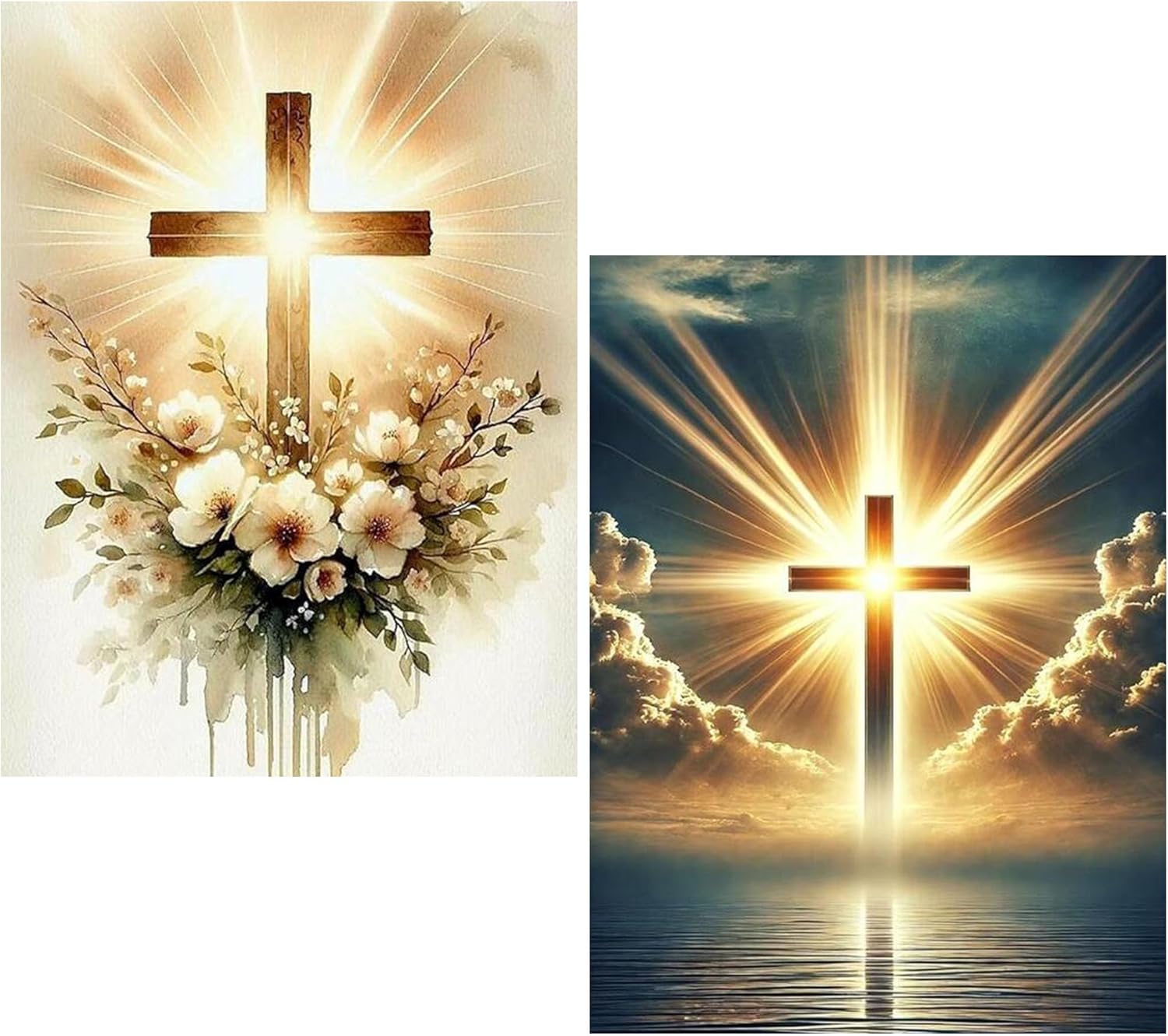

Kitchen or dining area
Some families choose to place a Jesus painting near the table where they eat together. This can support the habit of praying before meals and giving thanks. It also becomes a reminder to keep conversations kind and respectful, even when disagreements arise. The image seems to “listen” along with everyone else, inviting patience and understanding.
Work space or study
For those who work from home or spend a lot of time at a desk, a smaller Jesus painting near the computer or on a side wall can help keep work connected to faith. Now and then, looking away from the screen toward Jesus in the painting can bring a moment of balance: a reminder that success, stress, and deadlines are not the deepest truth about life.
Living with a Jesus painting over time
A Jesus painting often begins as something new and noticeable. After a few weeks, it may almost blend into the surroundings. That is normal. But interestingly, in certain moments – a worry, a joy, a decision – the image seems to stand out again, as if the heart suddenly remembers that He is there.
I have noticed this during quiet nights when I cannot sleep. Getting up for a glass of water, I pass by our Jesus painting in the hallway. In those moments, the house is dark and silent. The image, softly lit by a nearby lamp, reminds me to place my restlessness in the Lord’s hands. Often I just stop for a second, breathe slowly, and say, “Jesus, you know.” Then I go back to bed. It is a simple gesture, but over the years, it has become a familiar habit.
A Jesus painting can also carry memories. Maybe it was a wedding gift, or a present from a grandparent, or something you chose during a challenging time. Years later, you may look at it and remember the prayers you carried when you first hung it on the wall. The painting becomes woven into the story of the family, watching over birthdays, holidays, seasons of grief, and seasons of joy.
Occasionally, it can be helpful to “renew” your relationship with the image. This does not require any ceremony. It might simply mean cleaning the frame carefully, adjusting the position so it is straight, or placing a small candle near it for a few evenings in a row. These small acts of care express, in a concrete way, that the presence of Christ in the home still matters to you.
For some, choosing a Jesus painting is part of setting up a new home, marking the space as a place where faith is welcome. For others, it is a quiet step in returning to prayer after a time of distance. Wherever you find yourself, an image of Jesus on the wall can be a respectful companion, a silent witness to your journey and the journeys of those you love.
Jesus painting – Frequently asked questions
There is no single “correct” place, but many Catholics choose areas they naturally pass through during the day. Common spots include the entryway, living room, hallway, above a prayer table, or near the dining area. The main idea is to place the Jesus painting where you will actually see it and be gently reminded to turn your thoughts toward the Lord. Avoid areas where it will be easily damaged or constantly blocked from view.
A Jesus painting does not replace prayer, but it can encourage it. Seeing the image may prompt you to pause, even for a brief moment, and say a short prayer, express gratitude, or simply sit in silence with Christ. Over time, these small moments can become a rhythm: a glance before leaving home, a quiet pause at night, or a peaceful focus point when you feel worried or distracted.
Yes, many Catholic homes include more than one image of Jesus. You might have a larger Jesus painting in the main living area and smaller ones in bedrooms or near a prayer corner. Each image can serve a different purpose: one might focus on the Sacred Heart, another on the Good Shepherd, and another on Christ’s face. The key is to keep the home peaceful, not cluttered, and to place each image with intention and respect.
In a lively home, it helps to place the Jesus painting high enough to avoid accidental bumps, spills, or children’s rough play, while still keeping it visible. Dust it gently from time to time, avoid stacking things in front of it, and keep it away from direct heat or moisture. Even these simple actions express that the image is not just another decoration, but something meaningful that deserves care.
It is normal for styles to change as life moves on. If your furniture or colors shift, you can gently move your Jesus painting to a different room or choose a frame that fits better with the new surroundings. The important thing is that the presence of Christ in your home remains welcome. Some people keep an older Jesus painting in a quieter place, like a bedroom or hallway, even after choosing a new image for the main living area. In this way, each painting remains part of the home’s story.